Why Wonderful Handmade Typography Elevates Design
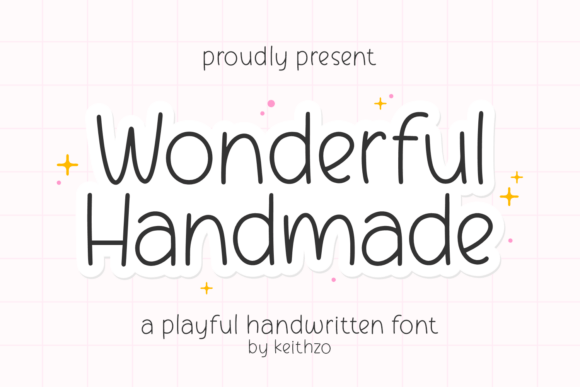
Every designer knows the moment a project clicks—when type stops being just letters and starts feeling like a voice. That's exactly the effect Wonderful Handmade delivers from the first character. This handwritten font doesn't just mimic pen strokes; it captures the energy, the slight wobble, and the genuine warmth of human writing. For creatives tired of sterile, predictable typefaces, this font offers something rare: personality that actually connects with people.
The Authenticity Factor in Modern Branding
Audiences today crave realness. Whether you're building a brand identity for a boutique coffee shop or designing social media graphics for a lifestyle influencer, the visual language must feel approachable. Wonderful Handmade answers that need with its deliberate inconsistency—every letterform carries a subtle variation that mirrors natural handwriting. This isn't a flaw; it's a superpower. In logo design, that organic quality helps brands stand apart from cookie-cutter competitors. When applied to packaging design, it whispers craftsmanship and care before the customer even reads the label.
Where the Font Shines Brightest
Versatility defines this typeface. Consider how it performs across different creative projects:
- Branding and identity work—Use it for hero logotypes, taglines, or accent words that need emotional weight. Pair it with a clean sans serif for balance.
- Social media content—Instagram stories, quote cards, and promotional posts gain an inviting, scroll-stopping charm. The font's warmth encourages engagement.
- Editorial design—Magazine headers, blog pull quotes, and newsletter titles benefit from the handcrafted texture. It breaks up rigid layouts without losing readability.
- Packaging and merchandise—From candle labels to T-shirt prints, the handwritten aesthetic signals artisanal quality. Customers associate it with small-batch care.
- Web and UI design—Used sparingly for buttons, banners, or hero headings, it adds a human touch to digital interfaces without compromising visual hierarchy.
Practical Tips for Integrating Handwritten Typography
Bringing a font like this into your design workflow requires intention. Begin by evaluating your color palette—muted earth tones and soft pastels complement the font's friendly curves, while high-contrast pairings create modern visual design tension. Test scalability early: at large sizes, the character details shine; at smaller sizes, ensure the open letterforms maintain legibility for body text or captions. Always consider audience expectations. A handwritten font that feels perfect for a children's book might not suit a corporate annual report. Match the personality to the message.
Building a Cohesive Brand System
Great typography never works in isolation. When you introduce Wonderful Handmade into an existing brand identity, think about how it interacts with other creative assets. The font pairs beautifully with textured backgrounds—think paper grain, watercolor washes, or subtle linen patterns. For digital marketing materials, layer it over photography with ample negative space. The goal is harmony: the handmade feel should echo throughout your visual design choices, from iconography to layout rhythm. This consistency builds modern aesthetics that feel both curated and effortless.
Beyond Aesthetics: Communication That Lands
At its core, typography is about transferring meaning. Wonderful Handmade does more than decorate—it conveys approachability, creativity, and human effort. In a digital landscape flooded with generic templates, that emotional resonance becomes a strategic advantage. Whether you're crafting a professional presentation, designing a wedding suite, or refreshing a UX design for a lifestyle app, the font invites people to stop, read, and feel something. For graphic design professionals and business owners alike, that's the kind of tool that turns good work into memorable experiences. Choose type that speaks with warmth, and your audience will listen.